Explore The Adelaide International Bird Sanctuary
The sanctuary is more than a destination for birdwatchers—it's a place to explore, discover and connect with nature. Whether you're photographing wildlife, hiking coastal trails, kayaking through quiet waterways or enjoying the spectacle of migratory shorebirds, every visit offers a chance to experience this unique coastal landscape in your own way. Here are some of the best places to begin your journey.
Thompson Beach north- Coastal walks, hidden swimming spots and spectacular sunsets
Thompson Beach mudflats- One of the sanctuary's best migratory shorebird viewing locations
Thompson Beach south- The easiest trail for the whole family
Port Prime Beach- A quiet biodiversity hotspot for birdwatchers and photographers
Port Gawler Beach and pontoon- A hidden gem for birdwatchers and nature lovers
St Kilda- An easy-to-access family destination
Magazine Road wetlands- A freshwater wetland teeming with birdlife
Garden Island- Paddle through mangroves, discover maritime history and encounter dolphins
Explore responsibly- Practice ethical birding and remember to ‘tread lightly’
Thompson Beach North
For walking, birdwatching, beachcombing, swimming and exploring, start at the Baker Creek Trailhead car park at the end of The Esplanade, Thompson Beach.
The trail follows the coastline and saltmarsh towards Webb Beach, offering excellent opportunities to observe the sanctuary's unique wildlife. Keep an eye out for Oyster catchers and Ruddy Turnstones along the shoreline, flocks of roosting shorebirds around the salt lake, and White-fronted Chats and White-winged Fairy-wrens amongst the samphire and saltbush.
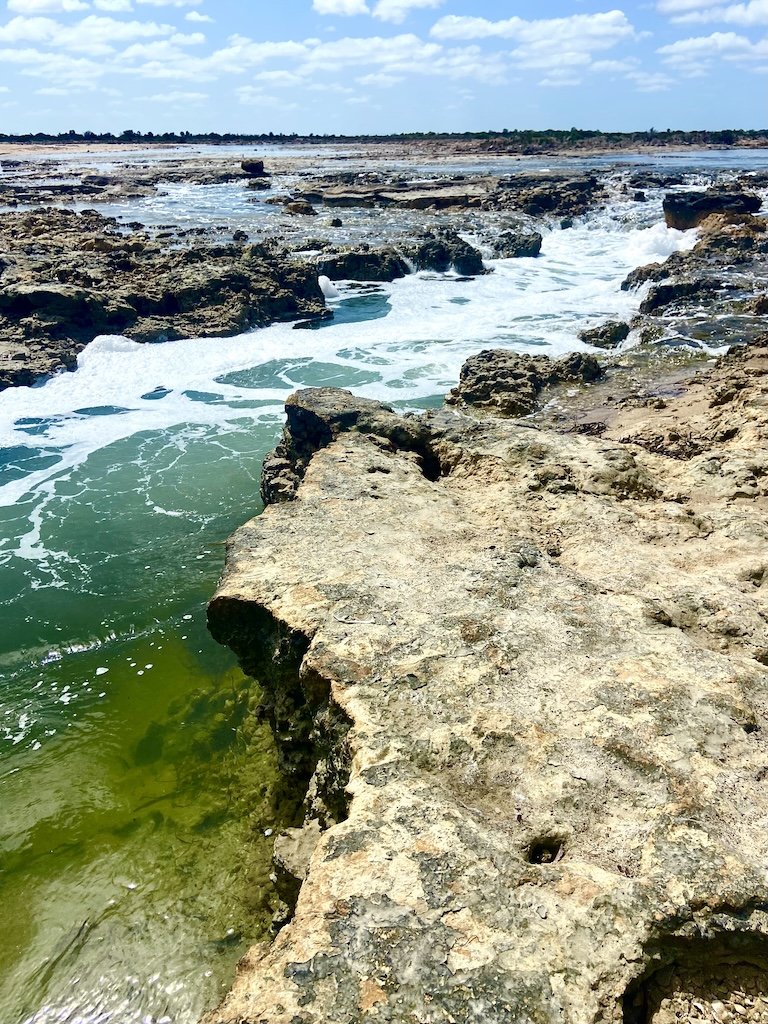
Just 300 metres north of the car park, you'll find 'The Waterfalls'—a fascinating natural feature that appears as the tide drains from the salt lake into the sea. Here, crystal-clear green water forms a beautiful natural pool where small fish can often be seen, making it a peaceful spot to pause, explore or enjoy a refreshing swim.
Best time to visit: high tide for roosting shorebirds, outgoing tide for ‘The Waterfalls’
Thompson Beach mudflats
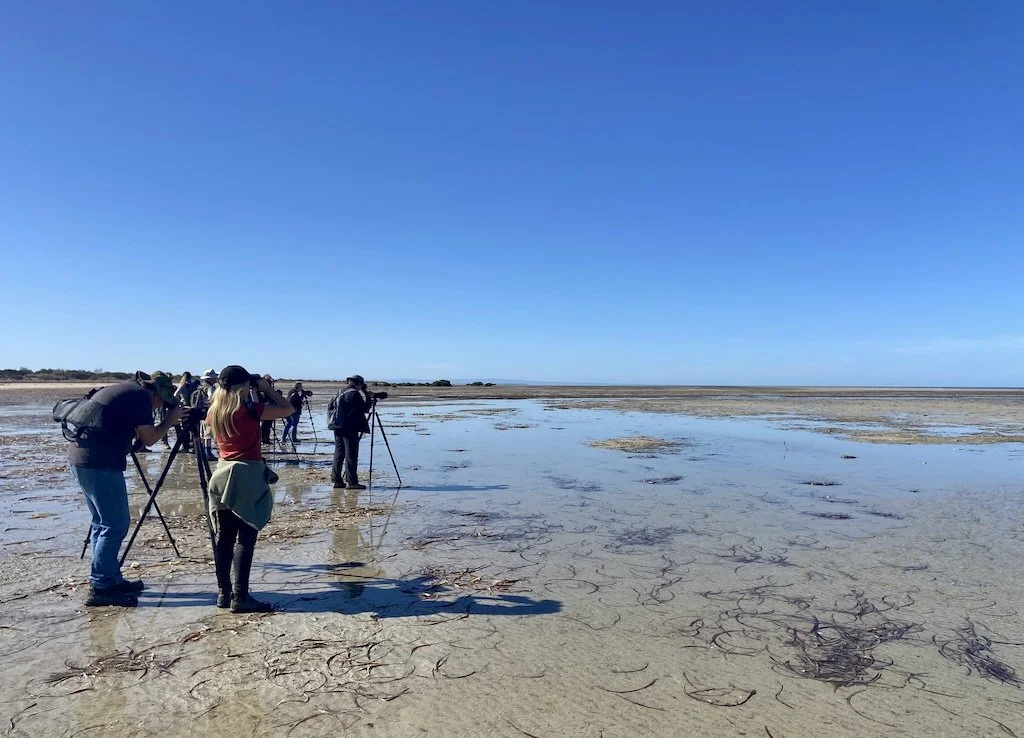
One of the best places in the Adelaide International Bird Sanctuary to observe migratory shorebirds, Thompson Beach is at its best between September and April, when thousands of birds have arrived from the Northern Hemisphere.
Park in the southern car park (located on the beach near the public toilets) and plan your visit for just after high tide. As the tide begins to recede, shorebirds begin spreading out across the mudflats to feed, providing excellent viewing opportunities.
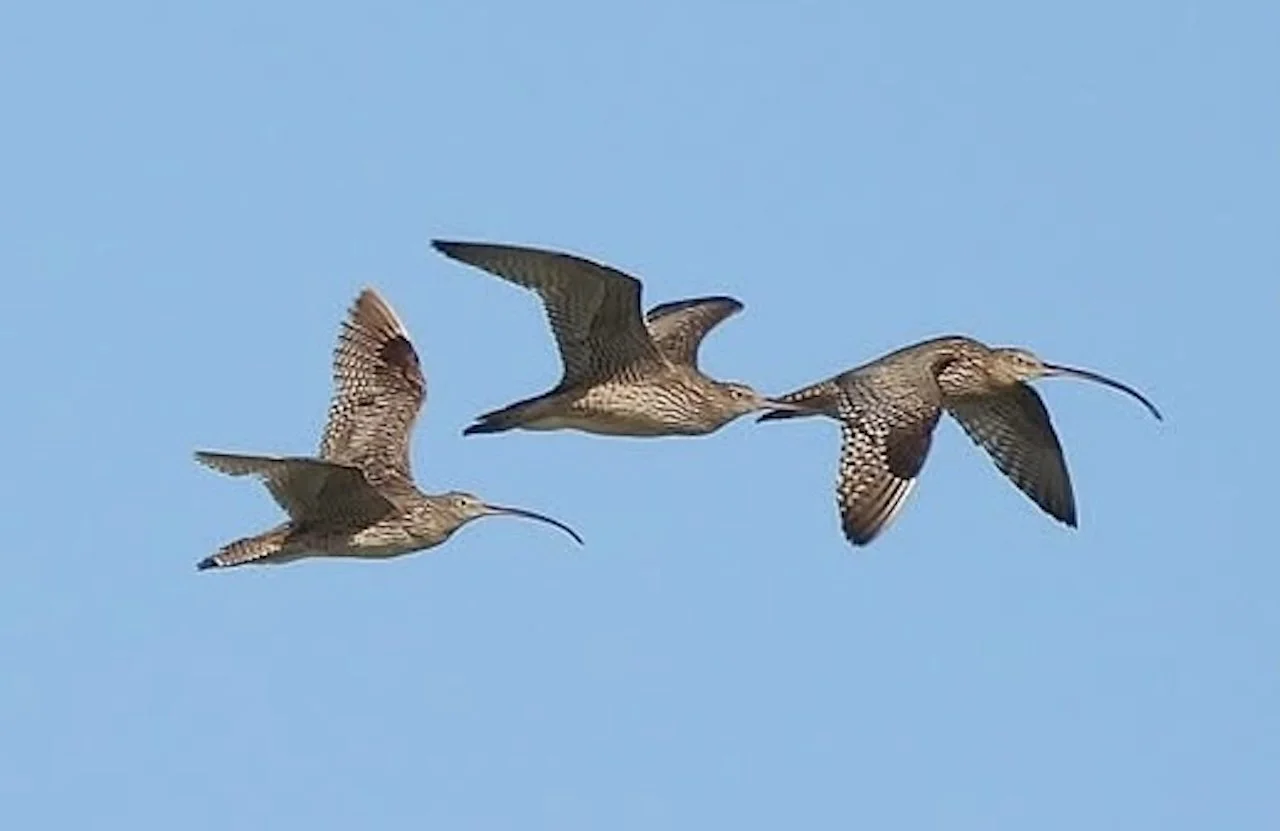
Watch for Curlew Sandpipers, Red-necked Stints and Sharp-tailed Sandpipers feeding amongst the mangroves, while larger species such as Far Eastern Curlews, Red Knots, Bar-tailed Godwits and Grey Plovers are regularly seen along the shoreline.
The area is also home to a rich variety of other coastal birds, including Red-capped Plovers, Royal Spoonbills, Great Egrets, Little Egrets, terns, gulls and cormorants, making it a rewarding destination for birdwatchers and photographers alike.
Best time to visit: an hour after high tide
Thompson Beach South
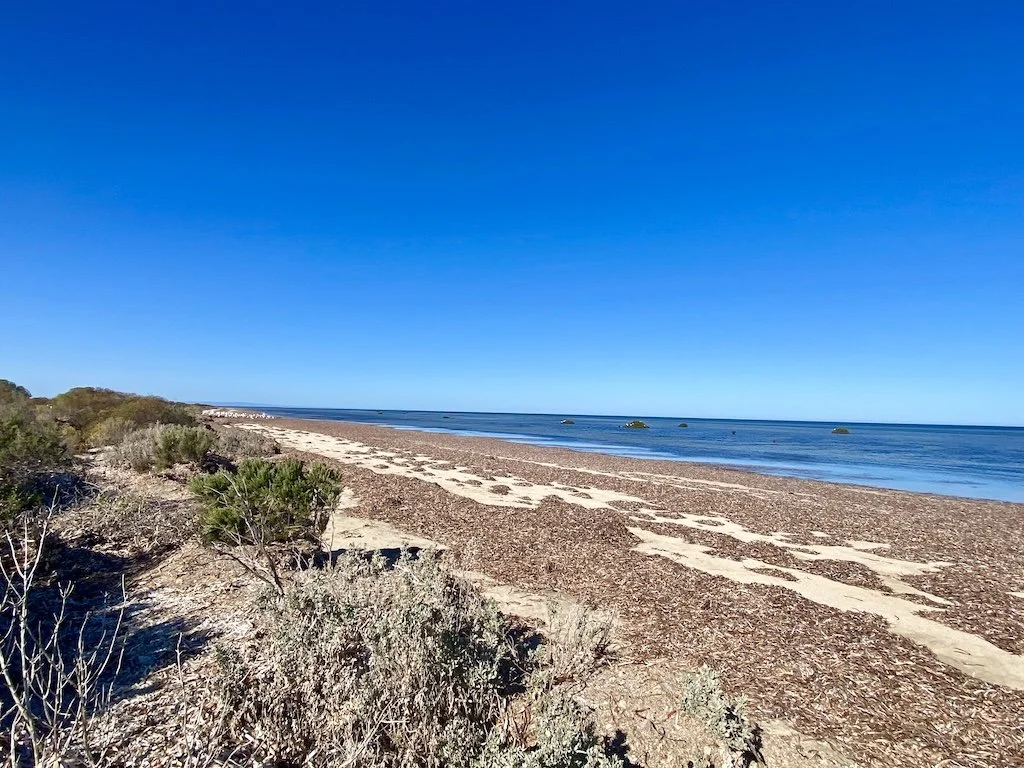
Located at the southern end of the Esplanade, the Third Creek Trail car park is the perfect starting point for a family-friendly walk through the dunes to the beach and the picturesque Third Creek estuary.
Interpretive signs along the trail introduce visitors to the area's unique plants and wildlife. Keep an eye out for Painted Dragons and Shingleback lizards basking in sunny spots.
At the beach and estuary, you may see Australian Pelicans and Great Egrets roosting along the shoreline, while the surrounding dunes and wetlands provide a peaceful setting to explore and enjoy the sanctuary's diverse coastal habitats.
Best time to visit: anytime although there is better beach access if the tide is lower
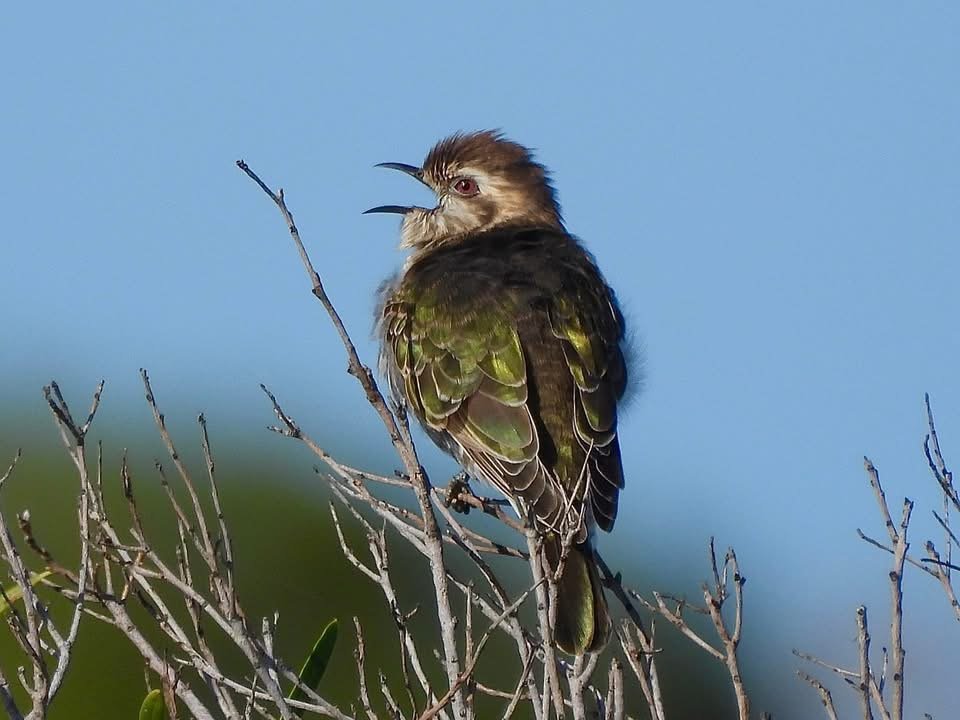
Port Prime Beach
This quiet corner of the sanctuary is a biodiversity hotspot, making it an excellent destination for birdwatching.
From the car park, take a walk north along the beach to the Third Creek estuary, or explore the surrounding revegetation areas, which provide habitat for a wide variety of bush birds.
Keep an eye out for Horsfield's Bronze-Cuckoo, Elegant Parrot, Rock Parrot, Bluebonnet, Spiny-cheeked Honeyeater and Brown Songlark amongst the coastal vegetation. Birds of prey regularly seen overhead include Brown Falcon, White-bellied Sea Eagle, Whistling Kite and Black Kite.
The beach is also a rewarding place to spot coastal species such as Sooty Oystercatchers, Pied Oystercatchers, Whiskered Terns, Crested Terns and the impressive Pacific Gull.
Best time to visit: anytime
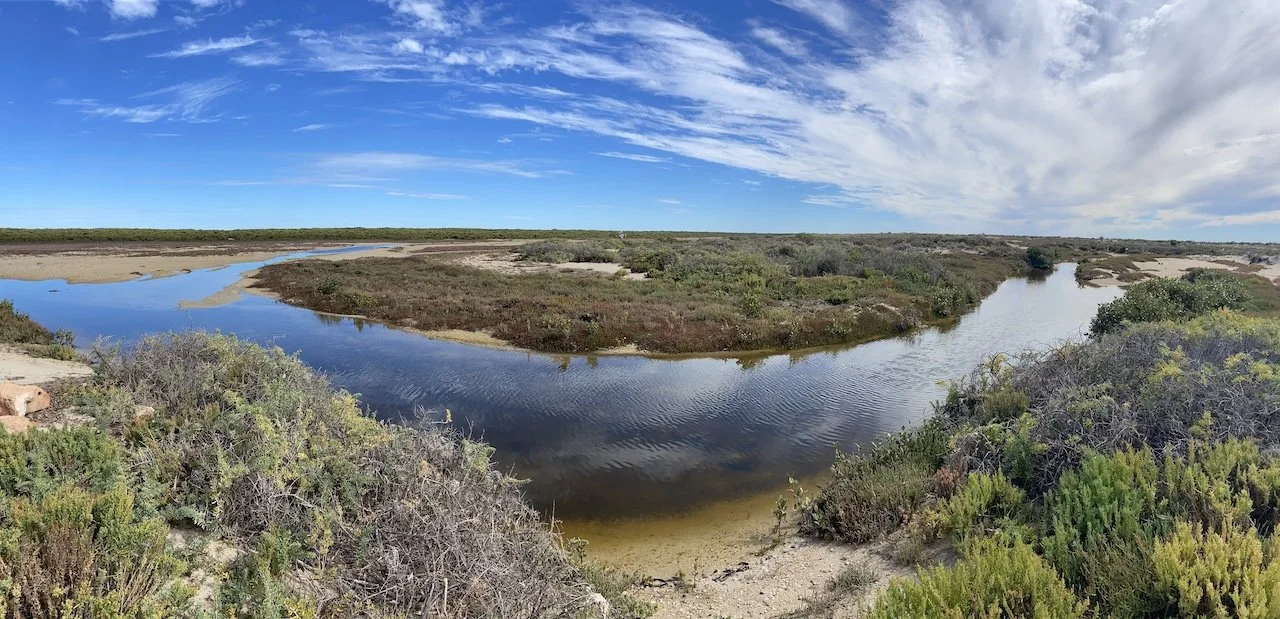
Port Gawler Beach & Pontoon
Starting from the car park at the end of Recreation Drive, explore the mudflats landward of the mangroves, where a variety of shorebirds can be seen feeding with the changing tides. Regular visitors include Sharp-tailed Sandpipers, Red-necked Stints and Red-capped Plovers, while the Double-banded Plover—a winter visitor from New Zealand—is occasionally spotted.
A walk north along the coastline offers excellent opportunities to see bush birds such as Brown Songlarks, White-fronted Chats, White-winged Fairy-wrens and Elegant Parrots. Keep an eye on the skies above the mangroves, where Whistling Kites, Black Kites and White-bellied Sea Eagles are often seen soaring overhead.
For birdwatchers, the walk to the Port Gawler Pontoon is well worth the detour. Listen carefully for the distinctive calls of the elusive Slender-billed Thornbill, which inhabits the shrubby samphire (Tecticornia arbuscula) growing along channels in the salt marsh.
Best time to visit: anytime or an hour after high tide
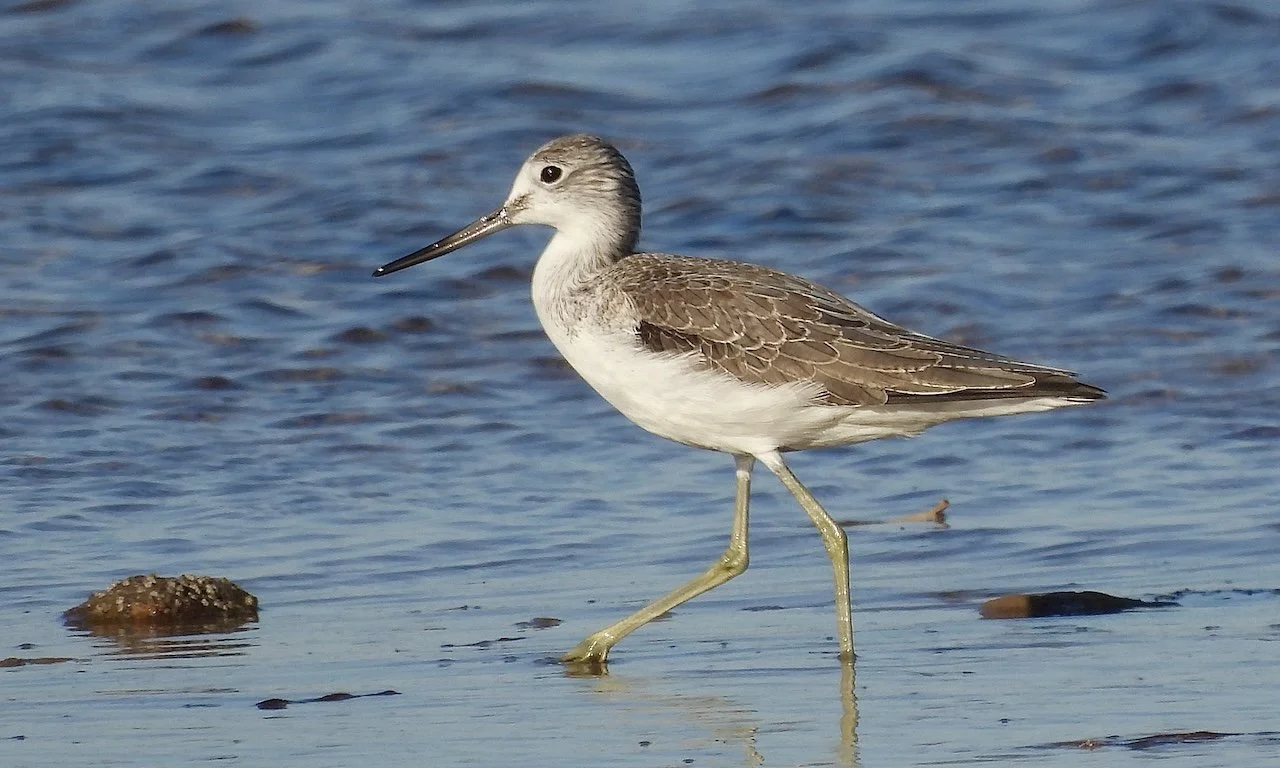
St Kilda
St Kilda is one of the easiest places in the sanctuary to experience its rich birdlife. The mudflats can be accessed from the foreshore in front of the hotel or from the northern end of the breakwater, offering excellent birdwatching throughout the year.
During spring and summer, look for Common Greenshanks, Sharp-tailed Sandpipers and Red-necked Stints feeding on the mudflats. Black Swans and Australian Pelicans are regular visitors, while large flocks of Banded Stilts can sometimes be seen.
Explore the samphire to the north-east of the mangroves, where you may spot Black-winged Stilts and White-faced Herons. Keep an eye on the skies above the mangroves for Whistling Kites and, if you're lucky, a White-bellied Sea Eagle.
Best time to visit: an hour after high tide for migratory shorebirds
Magazine Road, Greenfields Wetlands
A worthwhile stop on your way to or from the sanctuary, Magazine Road Wetlands is a constructed wetland that has become an important refuge for a wide variety of waterbirds. Fed by diverted stormwater, the wetlands provide valuable habitat throughout the year and offer excellent birdwatching opportunities close to Adelaide.
Keep an eye out for species such as Wood Sandpipers, Red-kneed Dotterels, Australian Spotted Crakes, Yellow-billed Spoonbills and Black-tailed Native-hens, along with ducks, swamphens, herons and other wetland birds.
Best time to visit: anytime
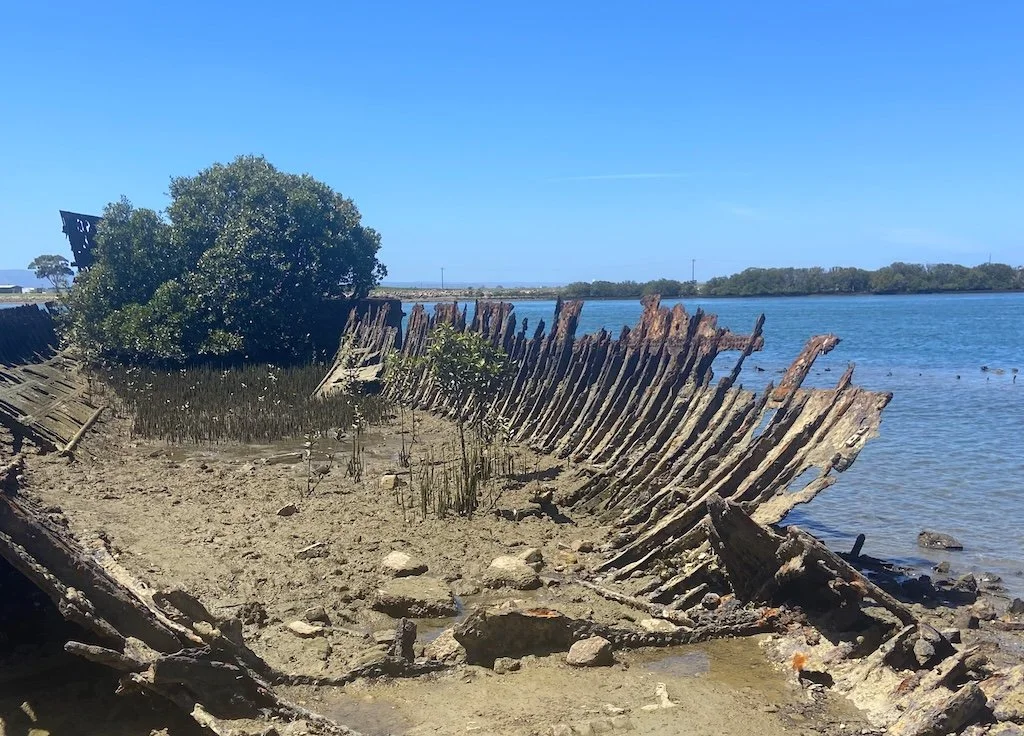
Garden Island
Experience the sanctuary from a different perspective by exploring Garden Island by kayak. Paddle through peaceful mangrove-lined creeks, sheltered estuaries and the historic Ships' Graveyard, where nature has reclaimed abandoned vessels over many decades.
The Adelaide Dolphin Sanctuary is home to a resident pod of Indo-Pacific Bottlenose Dolphins, which are often seen feeding and playing in the waterways. As you paddle through the mangroves, you'll discover one of nature's most important nurseries, where fish, crabs and other marine life thrive amongst the aerial roots of the Grey Mangroves.
Bring your camera and your curiosity—this is a fantastic place to photograph wildlife, explore the hidden waterways and record your discoveries on iNaturalist.
Top Tip: Paddle quietly and take your time. The slower you move, the more wildlife you're likely to encounter.
Best time to visit: around high tide
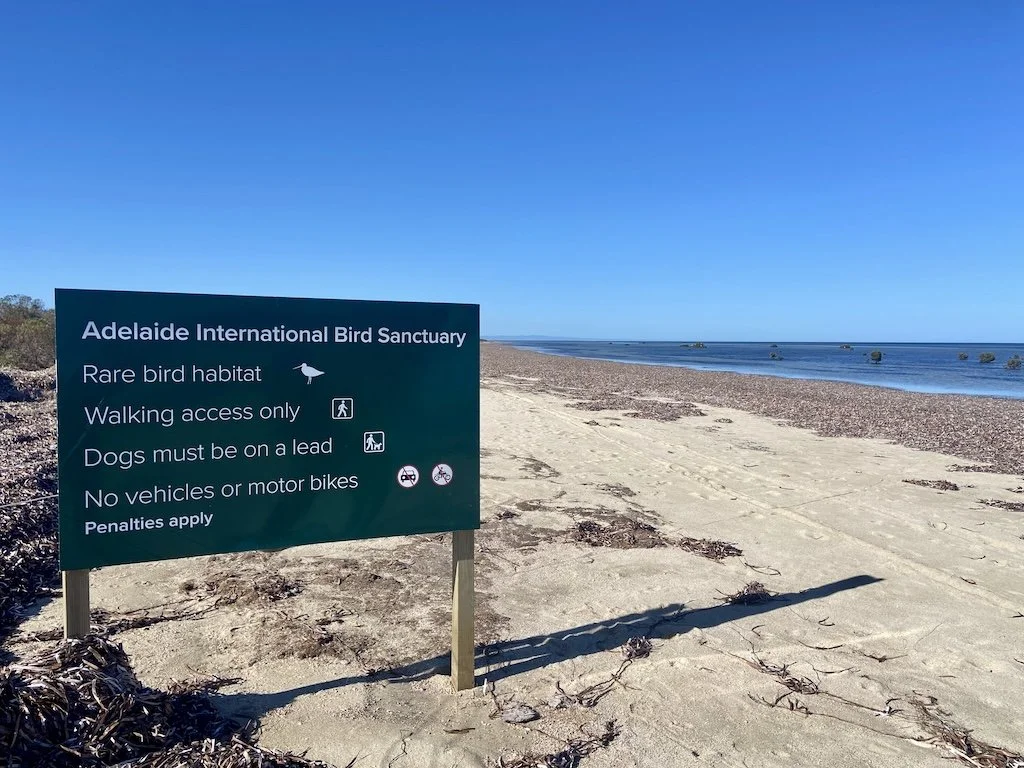
Explore Responsibly
Every year, thousands of migratory shorebirds arrive in the sanctuary after an incredible journey from Alaska and Siberia. They rely on these mudflats to rest and refuel before continuing their migration. Many local birds also nest on our beaches and coastal wetlands. Giving wildlife space helps ensure this sanctuary remains a safe haven for generations to come.
Give Birds Space
Observe birds from a distance using binoculars, a spotting scope or a telephoto lens. If birds stop feeding or take flight, you're too close.
Stay on Tracks
Keep to designated trails and beach access points to avoid disturbing birds and damaging sensitive habitats.
Let Wildlife Behave Naturally
Never use drones, bird call playback or deliberately flush birds for photographs or filming.
Respect Wildlife
Follow all seasonal closures and local signage. Keep dogs away from birds and nesting areas, and avoid driving on beaches.
Be an ambassador for the Sanctuary
Share these simple messages with others and report activities that disturb wildlife or damage habitat.
Leave Only Footprints
Take your memories, photographs and appreciation with you—but leave the sanctuary exactly as you found it. Remember, kudla yurlu kurrarinthi, to approach, stay, and leave peacefully.
By giving wildlife the space it needs, you're helping ensure this internationally significant sanctuary remains a safe haven for migratory shorebirds and other coastal wildlife for generations to come
Every visit makes a difference. Thank you for helping protect the Adelaide International Bird Sanctuary.