The East Asian–Australasian Flyway: A Global Highway for Birds
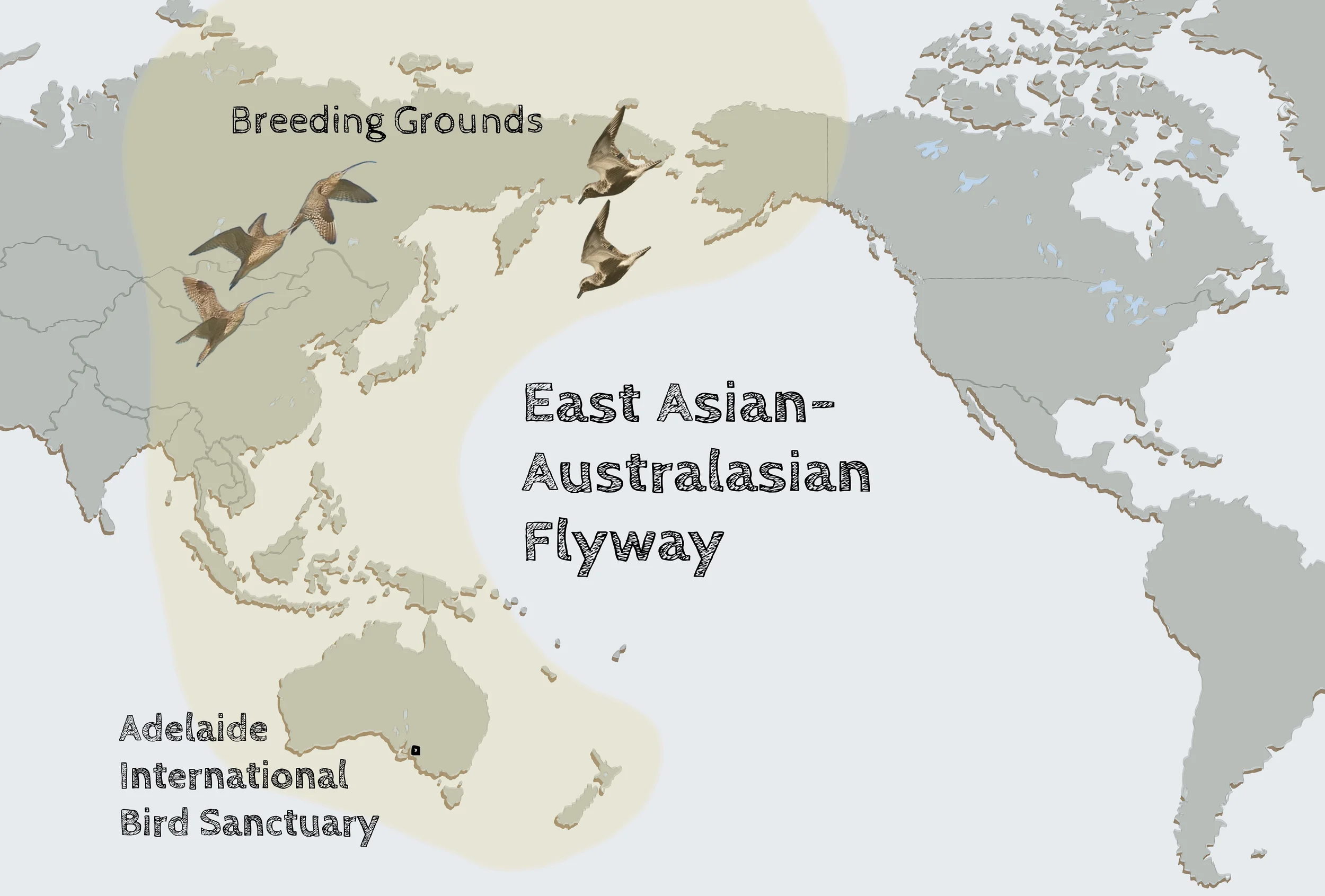
The East Asian–Australasian Flyway (EAAF) is one of the worlds great migration routes, connecting breeding grounds in the northern hemisphere with wetlands and coastlines across Asia, Australia and New Zealand.
Stretching across 22 countries and 4 continents, this vast natural highway is used by around 50 million migratory birds each year. It is home to some of the planet's most remarkable journeys, with birds travelling thousands of kilometres between breeding and feeding grounds.
During their annual migration, shorebirds rely on a network of important stopover sites where they can rest and rebuild energy. Some locations, such as the Yellow Sea, are critical refuelling areas where huge numbers of birds gather before continuing their journey. The loss of habitat at these key sites poses one of the greatest threats facing migratory shorebirds today.
Some species undertake extraordinary journeys. The Bar-tailed Godwit can fly more than 13,000 kilometres non-stop from Alaska to New Zealand, completing one of the longest known migrations of any bird.
When migratory shorebirds return to Gulf St Vincent each summer, many are arriving at a place they have travelled to before—or, for young birds, a place they have never seen but are somehow able to find.
A vital link in the flyway
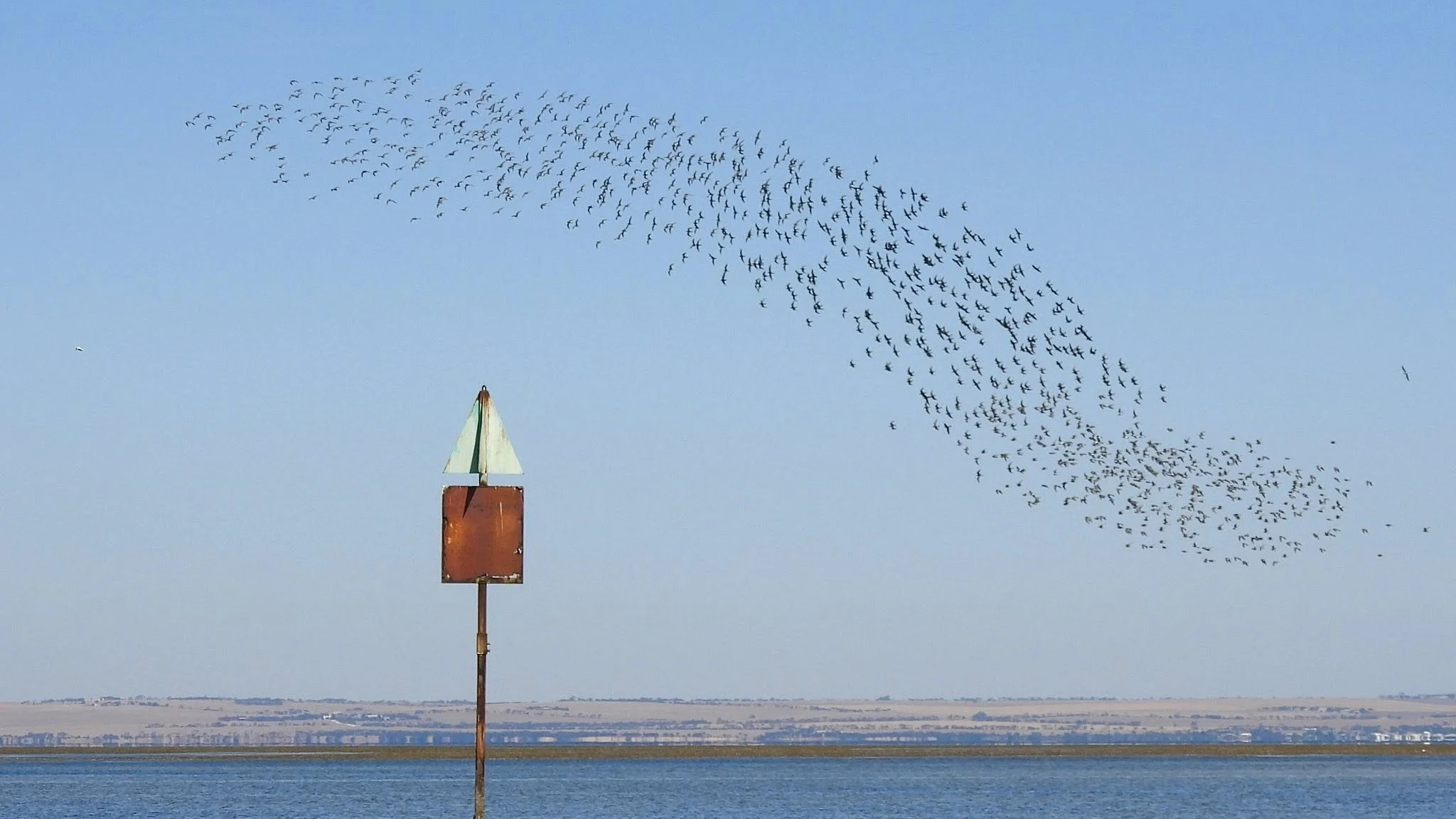
The Adelaide International Bird Sanctuary is one of the important coastal sites that helps keep this migration route connected.
Its extensive tidal flats, saltmarsh and coastal wetlands provide a place for birds to harbour, feed and recover at the end of their long journeys. Located at the southern end of the flyway, the sanctuary represents the final destination for many migratory shorebirds before they begin their return north.
What makes this place remarkable is that an internationally significant migration route reaches right to the edge of Adelaide—allowing our community to witness and help protect one of the world's greatest wildlife journeys.
Threats to the Flyway
Migratory shorebirds depend on a chain of mudflats and wetlands stretching across the flyway. If an important feeding or resting site is lost or degraded, there may be nowhere else for birds to refuel along their journey.
Mudflats, estuaries and other wetlands are being reclaimed or altered for coastal development, industry, agriculture and infrastructure. The Yellow Sea is a particularly important example, where extensive loss of intertidal habitat has affected birds that rely on these sites during migration.
Rising sea levels, changing temperatures and more frequent extreme weather events can alter or reduce both breeding and feeding habitat. Changes in the timing and availability of food may also create a mismatch between when birds arrive and when their food is available.
Birds need to feed and rest without being repeatedly disturbed. People, dogs, vehicles and other activities can cause birds to take flight, using valuable energy they need for migration.
Pollution, introduced predators, invasive weeds and changes to water systems can alter wetlands and reduce their ability to support birds.
Although hunting of shorebirds is prohibited in Australia, illegal hunting and trapping remain a concern in parts of the flyway. Because these birds cross international borders, their protection depends on cooperation between many countries.
The biggest challenge is that shorebirds need the whole flyway, not just one protected site. They depend on a network of places to breed, feed and rest. Protecting these sites across countries and continents is essential to keeping the migration route functioning.