What is a shorebird?
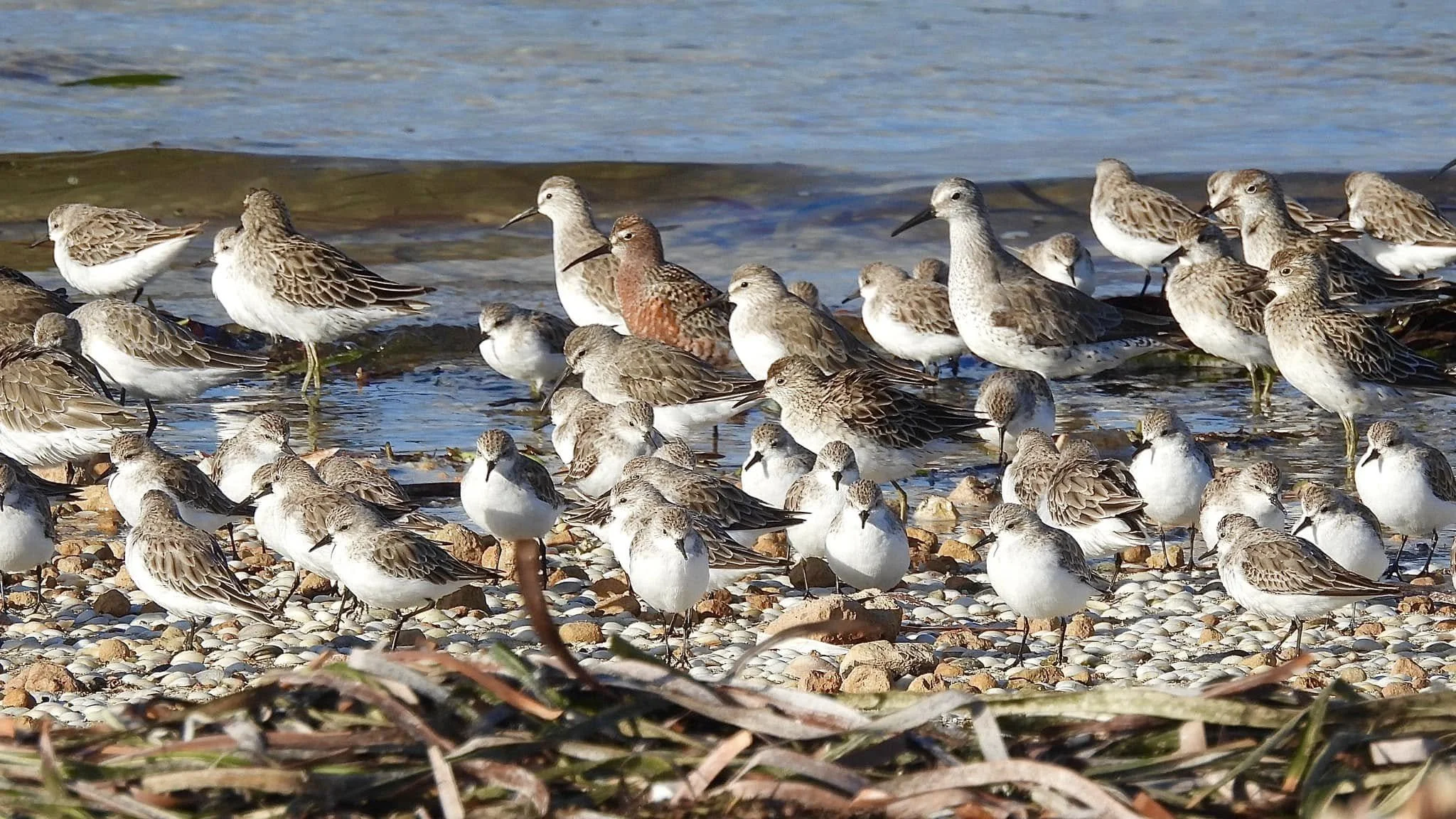
Shorebirds are a diverse group of birds specially adapted for life along the water's edge. They are commonly found on beaches, mudflats, estuaries, saltmarsh and wetlands, although some species also use inland lakes and waterways.
Unlike ducks, swans and many seabirds, shorebirds are not adapted for swimming or floating, and most cannot perch in trees. Instead, they feed by wading through shallow water or on sand or mudflats. They rest by roosting together on open beaches, floating seagrass wrack, mudflats and sandbanks, where they have a clear view of approaching predators.
Australia is home to 55 species of shorebirds, including sandpipers, plovers, stilts, oystercatchers, snipe and curlews. Of these, 37 are migratory, travelling vast distances each year, while 18 are resident species that live in Australia year-round.
Migratory shorebirds
Most migratory shorebirds breed during the northern summer on the Arctic tundra of Siberia and Alaska, as well as parts of Mongolia, China and Japan. They then migrate up 13,000 kilometres arriving each spring to spend the non-breeding season on our coasts and wetlands.
One exception is the Double-banded Plover, which breeds in New Zealand in summer and migrates to Australia for winter.
The Adelaide International Bird Sanctuary is a crucial feeding and roosting ground for a diverse range of shorebirds, including many migratory species, making it one of the best places in Australia to experience these remarkable birds.
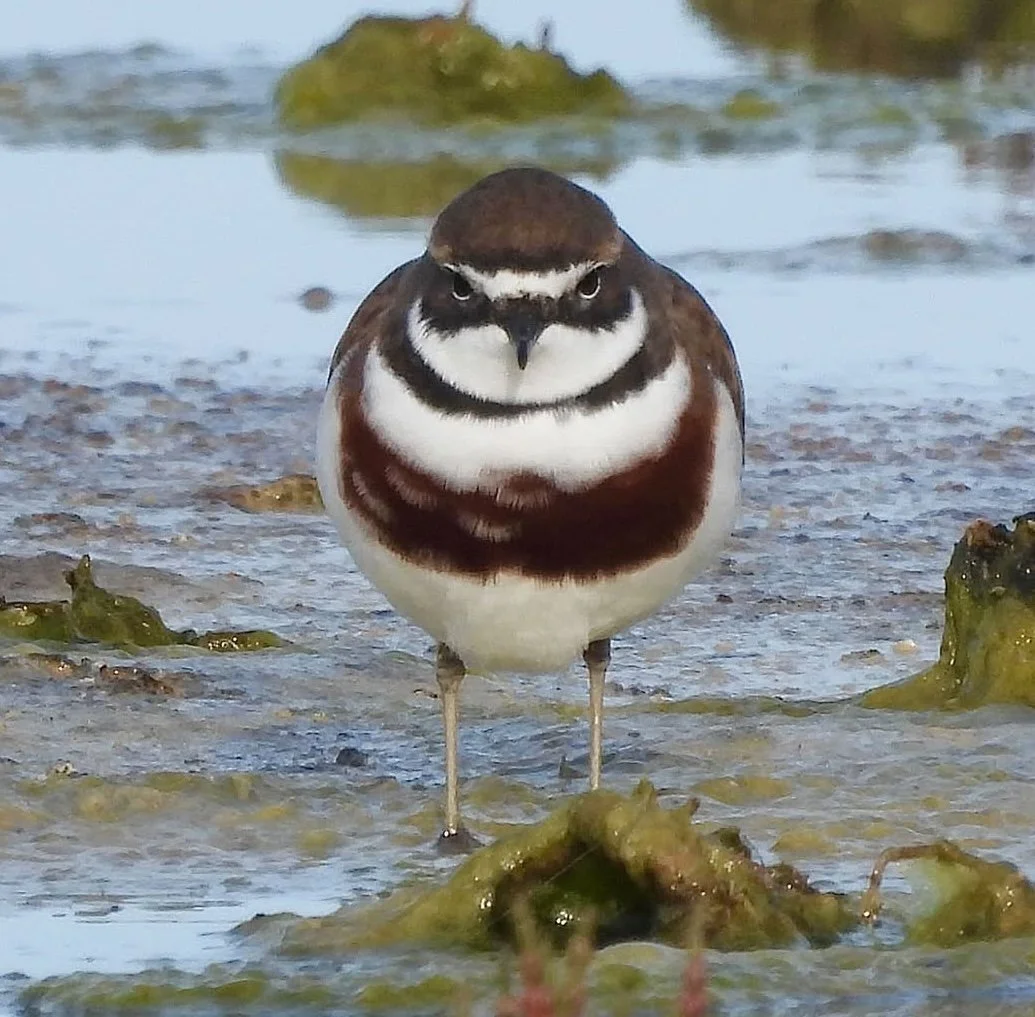
Double -banded plover, Anarhynchus bicinctus
Why breed in the Arctic?
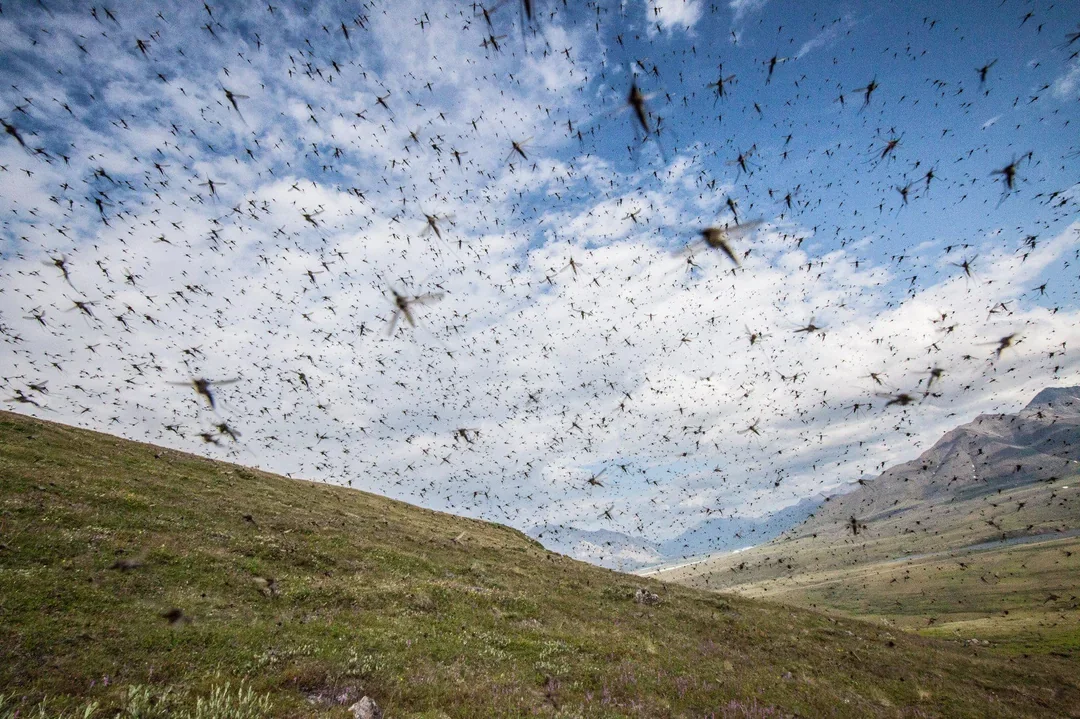
For migratory shorebirds, life in the short Arctic summer is a race against time. As the snow melts, the tundra comes alive with an explosion of insects and other invertebrates, providing the rich food source needed to raise their chicks.
Shorebird chicks are born ready for life on the tundra. They hatch covered in down, with open eyes and the ability to walk and feed themselves within hours. Rather than bringing food to their young like many other birds, parents protect their chicks, warn them of danger and guide them towards the best feeding areas.
During the endless daylight of the Arctic summer, chicks can feed almost around the clock, rapidly gaining the strength and body weight needed for their first migration. Many species can fly within just 3–5 weeks of hatching.
As the Arctic summer ends, adult birds usually begin their journey south before their young. Juveniles follow later, completing their first migration without ever having made the journey before—an incredible achievement.
How do they do it?
How shorebirds prepare for migration
Before migration, shorebirds enter a period of intense preparation called migration fuelling. Their bodies undergo dramatic changes to help them survive thousands of kilometres of non-stop flight.
The most obvious change is that birds rapidly increase their body fat. Fat is an extremely efficient energy source, providing more than twice the energy of carbohydrates or protein. Some shorebirds can nearly double their body mass before departure, storing enough fuel to power long-distance flights.
During migration, every gram matters. Birds can shrink organs they are not using, such as parts of the digestive system, to become more efficient flyers. After arriving at their destination, these organs grow back as they resume feeding.
The powerful chest muscles used for flight become larger and stronger before migration, allowing birds to sustain long periods of continuous flight.
Migrating birds adjust their metabolism so they can efficiently convert stored fat into energy. Some species can also switch between using fat and protein during extreme journeys.
Many shorebirds complete moulting before or soon after migration, replacing worn feathers with fresh, strong flight feathers needed for their journey.
How shorebirds navigate
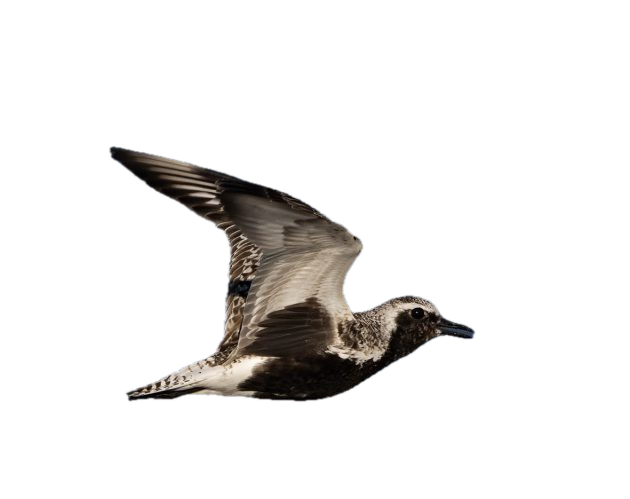
Migratory shorebirds undertake journeys across thousands of kilometres, often returning to the same breeding and feeding areas each year, finding their way using highly advanced senses that act as both a compass and a map.
Many migratory birds can detect the Earth's magnetic field and use it like a natural compass. This ability, called magnetoreception, helps them determine direction even when landmarks are not visible, such as during flights over open ocean. Simply put, sensors in their right eye can perceive direction and sensors in their beaks can tell them where they are, like a map.
During the day, birds can also use the position of the sun as a compass, adjusting for its movement across the sky. At night, some species use the stars to help maintain their direction.
When flying over land, birds can recognise features such as coastlines, rivers, mountains and wetlands. These landmarks help guide them along familiar migration routes. Some research suggests birds may also use smells, such as from mudflats, and atmospheric cues to recognise locations.
Do shorebirds sleep while flying?
Some migratory shorebirds can fly for days over open ocean and may take brief periods of sleep while in flight. Like other birds, they can use unihemispheric sleep, resting one side of their brain while the other remains active.
Most of their recovery, however, happens at important stopover sites along the flyway, where they feed and rest before continuing their journey. These safe places are essential links in one of the world's greatest wildlife migrations.
Why the change of outfit?
When migratory shorebirds are in the southern hemisphere they are usually in non-breeding plumage, which is typically the muted browns and greys we are used to seeing them in. Shorebirds will then transition into breeding plumage just before and during migration to signal they are mature, fit and ready for breeding. They develop brighter, richer colours and distinctive patterns that help with courtship and mate recognition.
Once breeding begins camouflage also becomes critical. Shorebirds often nest in exposed landscapes, and their mottled plumage can blend remarkably well with sand, stones, mud and tundra, helping adults and their eggs avoid predators.
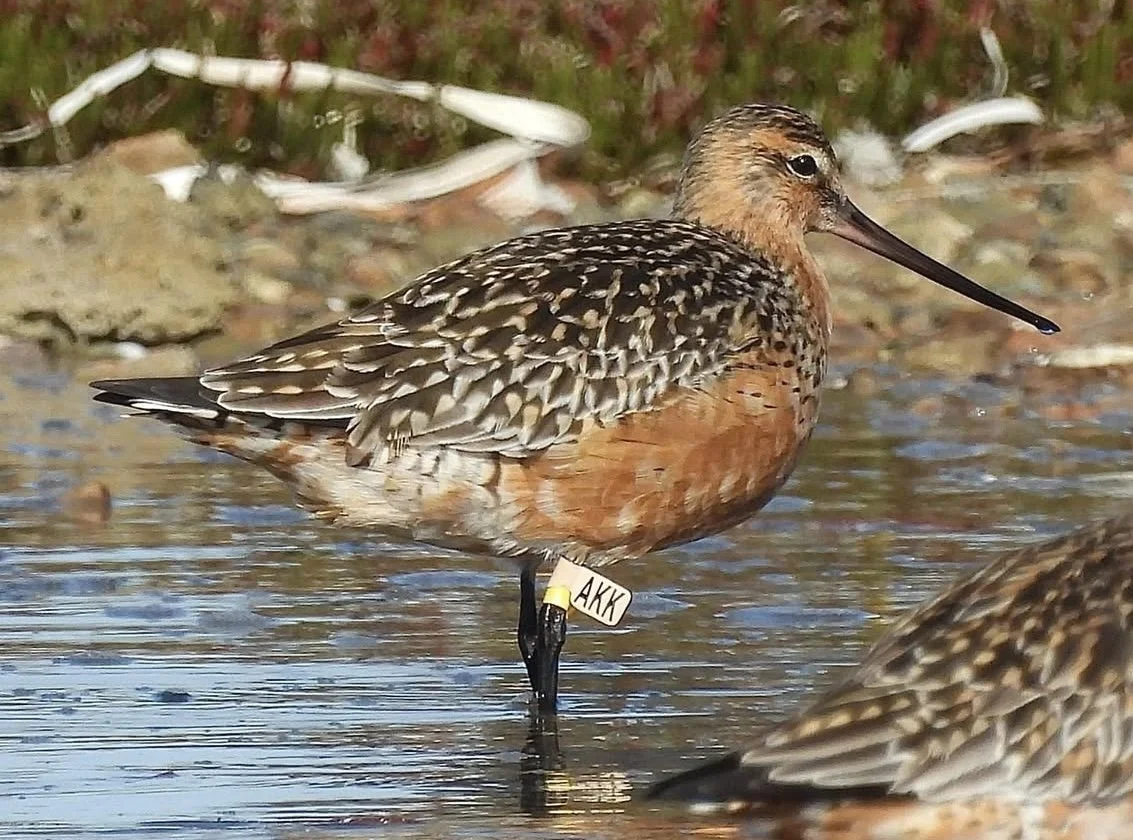
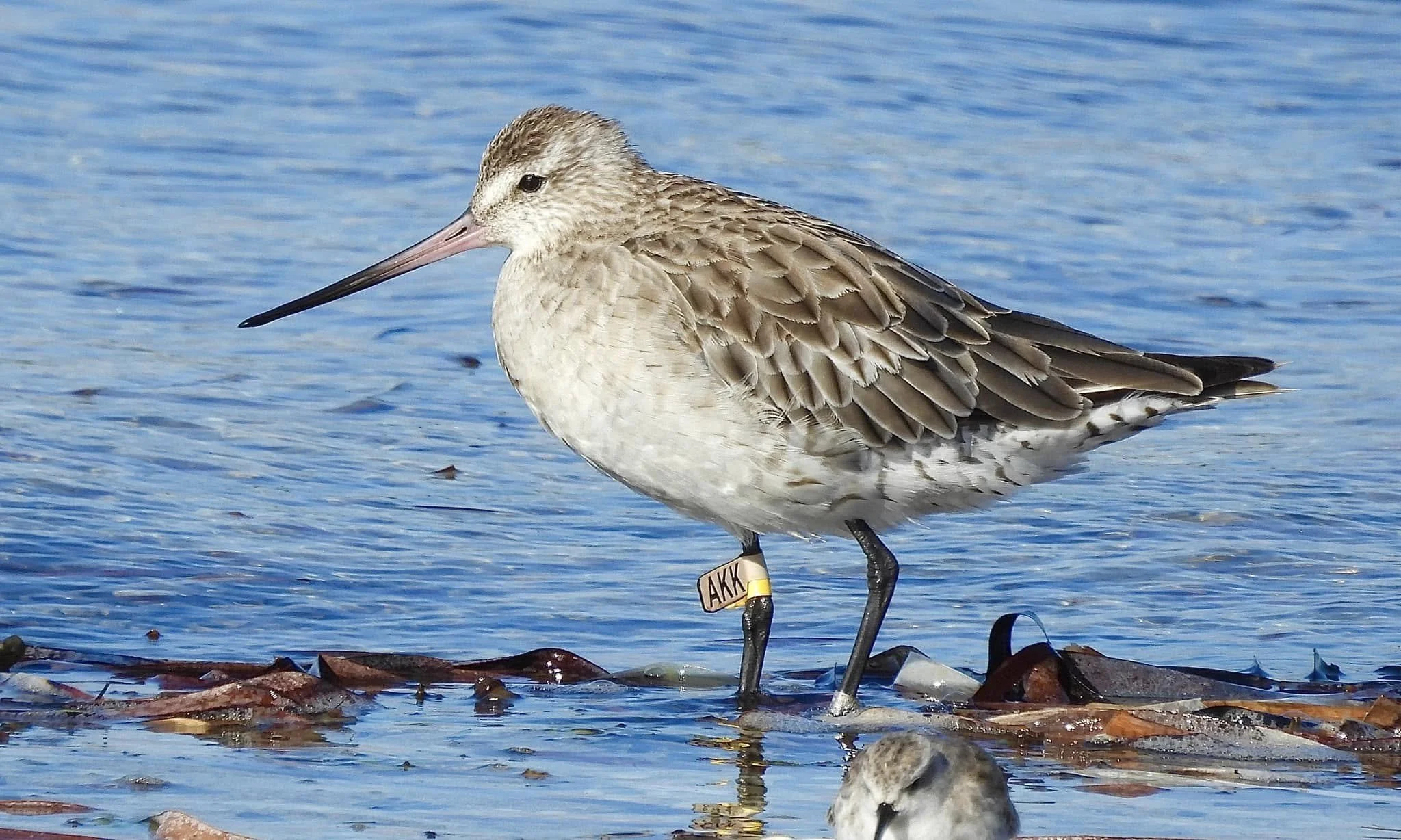
This is the same Bar-tailed Godwit, Limosa lapponica, the famous AKK, in breeding plumage (left) and non-breeding plumage (right, with worn feathers).